Leaderboard



Popular Content
Showing content with the highest reputation since 03/26/2015 in Posts
-

K/DA - POP/STARS (ft Madison Beer, (G)I-DLE, Jaira Burns)
devilbooru and 13 others reacted to Elliane for a topic
If someone can make this I would appreciate it. K/DA - POP/STARS (ft Madison Beer, (G)I-DLE, Jaira Burns) | Official Music Video - League of Legends14 points -
Writing from music sheet into mml guide
🎶Atropos and 8 others reacted to 🎶WinterWyvern for a topic
The Guide Nothing too much to ask, just start taking piano lessons and you are well on your way to writing mmls Will continue updating or fixing stuff up if people spot mistakes etc.(my music theory is a little hazy) Jokes aside this is just my style of writing 3ML by looking at a music sheet; it most likely is different from most mml writers in the community. In my opinion, this method of writing is easy to understand when you read it and help find those mistakes easily, I’m not the most proficient with 3ML so there are probably shortcuts that could have been done that I have not done. At the end of the day when you’re done writing the mml, you can optimize it so it hopefully can be composed in mabi so the shortcuts are done there. This guide hopefully will show you how read music sheets and compose in mml form on the program 3ML. Can be used for music sheets for piano and any music piece that has a treble clef in it. That means instruments like viola which has a clef of its own (alto clef) is not covered here. Getting started First read the 3ML (basics section to learn the basic stuff of the music writing program 3ML. Then you can move on to music theory that will hopefully allow you to read music sheets to convert into mml format using 3ML. I recommend remembering the keys of a piano, as it helps visualize what the notes are and how to go about writing it. If you can try memorizing that it will be really helpful when writing mmls. Here’s a link of a piano octave and try memorizing it: http://www.pineviewchoirs.org/uploads/1/7/2/9/17292140/6001963_orig.jpg or just type in google images ‘one piano octave’ This can helpful as it helps you visualize the notes on the music sheet. The ‘♭’ in this picture are hard to see and kind of looks like a comma, so be vary it’s a flat!. 3ML(basics) 3ML is a good way to know what your composing and plays roughly what you would hear in-game in mabinogi. There are restrictions with this program, but the only ones that come to my attention are: flats, vibrato, note values, triplets and characters. Methods of doing this in 3ML are explained further on. If you want to compose an mml in 3ML by reading off the music sheet, first read the basic music theory. Characters: In 3ML you can compose whatever length of song you want, but keep in mind that in mabinogi, there is a character limit for composing music scores. (rank 1 composing: Melody and Song notes Max 1200, Harmony 1 notes Max 800, Harmony 2 notes Max 500). Tip: if you have say 3 tabs worth of music that have roughly 1000 characters, you will have to turn that to a 3-man ensemble. i.e. cut paste each tab to the melody bar of each score. Basics of 3ML 3ML format is strange, if you tried reading the basic music theory on notes/rests, you would know that in a 4/4 time signature: a crotchet is 1 beat, semiquaver is ½ a beat, etc. but in 3ML it’s written different. The table below shows the difference (hopefully). The note ‘C’ will be used as an example for the 3ML column: British/American Terminology Value (beats) 3ML (note length) Semibreve/Whole Note 4 C1 Minim/(1/2) Note 2 C2 Minim/(1/2) Triplet Note 2 C3 Crotchet/(1/4) Note 1 C/C4 Crotchet/(1/4) Triplet Note 1 C6 Quaver/(1/8) Note 0.5 C8 Quaver/(1/8) Note 0.5 C12 Semiquaver/(1/16) Note 0.25 C16 Demisemiquaver/(1/32) Note 0.125 C32 Hemidemisemiquaver/(1/64) Note 0.0625 C64 -Note that some sites refer 1 value to be a semibreve and hence crotchet would be named ‘quarter note’ (4 crotchets in a semibreve) but in this guide 1 beat (not value) is 1 crotchet. So 1/8 is not 0.5 technically speaking. -The Default note value is 1 beats called a crotchet, so if you write in 3ML of the note ‘g’, it will be the same as ‘g4’ i.e. a ‘G’ note with the value of a beat. Music Theory Now for the fun part and to confuse you all. Reading music sheets: musical Symbols/Terms When reading music sheets refer to the Wikipedia symbols list and learn what they mean if you can: https://en.wikipedia.org/wiki/List_of_musical_symbols There are some things Wikipedia surprisingly missed out or didn’t explain properly as well so watch out for those. If you’re unsure about something ask on the forum and others will answer it, if not I’ll have a go. Here are some terms you may wanna remember if you want to read off music sheets as it will help you understand what I’m blabbering about further. (Or read the part you want and refer to this later) Octave: An octave consists of the notes: C , C#/D♭, D , D#/E♭ , E , F , F#/G♭ , G , G#/A♭ , A , A#/B♭, B. If you don’t understand refer to the image from the first link in ‘getting started’ Where C is the lowest note and B is the highest. The next octave will have the notes in the exact same order, expect they will be of higher values, or lower values if it is the octave below. C on lets say octave 4 (middle octave of a piano) compared to octave 5 will sound the same, expect higher. Hard to explain until you hear it. Flats/Sharps(♭/#): These are written depending on the key signature usually and rarely will you see both flats and sharps here and there in a music sheet. If you remember from the one piano octave picture, C# = D♭,D# = E♭and so on. Natural(♮): This symbol just means play the original note (no flats/sharps). Clefs: Just remember that the notes are different in both respective clefs so make sure you are reading the right clef. See ‘reading musical notes’ for more information. Flats/Sharps(♭/#): When a note in a bar has a flat/sharp written on it, which tells you to play a flat/sharp for that note in the bar only. So if there is a C# represent in the bar, any other C notes that appear in this bar has to be played as C#. If you memorized one octave of a piano and its notes to its corresponding keys, you might wonder: what about C♭,E#,F♭, B#. This isn’t often used, but when it is, it just means you play the notes D,F,E,C (one octave higher) respectively. Natural(♮): This only happens in music sheets if there are flats/sharps present, especially when there is a key signature. Like flats and sharps, whenever is this applied on a note in a bar, it lasts for the duration of the bar. Sometimes it will appear twice for the same note in the bar to remind you it’s a natural (optional for the writer). Time Signature: The number on top of a number (a bit like a fraction) or the letter ‘c’ in the beginning of the bar of a song. This is optional and is not really needed for mml formatting, but if you understand how it works it can be helpful to track down if you have the right values of notes in a bar. See time signature (advanced) for more detail. Time Signature (advanced): The top number of the time signature represents the number of notes in a bar. The bottom number represents the number of beats one note will have in a bar. Most songs are of 4/4 or C time signature, which means 4 notes of the value 4, which is a crotchet, similar to 3ML format. Thus other signatures such as 4/8, 8/16 will mean 4 notes of the value 8 (quavers) and 8 notes of the value 16 (semiquavers) and so on. Key Signature: The stuff in front time signature often has a number of sharps or flats at different places. If there is no sharps/flats in the beginning bar of the song present you can read the sheet normally. If there is, your life is just made harder. Tempo: Most music sheets should have this and will be displayed as a crotchet symbol = a number above the treble clef. The higher this number is, the faster the whole song is to be played and the lower the number, the slower it is played. When there is not crochet symbol = a number written, there probably will be an Italian word there such as: moderato, allegro. Refer to this link to get your tempo number: https://en.wikipedia.org/wiki/Tempo#Italian_tempo_markings Reading music sheets: musical Notes Open this link here to show you some notes along the treble and bass clef: https://upload.wikimedia.org/wikipedia/commons/thumb/d/d3/Bass_and_Treble_clef.svg/2000px-Bass_and_Treble_clef.svg.png Note that these notes do not have ‘staves’ or long vertical line that appears on the note, so they do not really have values (except for G4 which is semibreve). This is merely an example, you will not come across stateless notes in an actual music sheet. In the treble clef, you can see an octave and a half worth of notes, starting with C note in the octave 4 ending with G note in the octave 5. In 3ML the default octave is o4, so writing ‘C’ in 3ML is the note labelled C4 in the link shown above. You will notice two ‘C’ notes present. Refer to musical terms: octave to learn why is this case. Writing the treble clef notes in 3ML will have the following format, assuming all the staveless notes are crotchets: cdefg1ab>cdefg If you do not understand this format, scroll down to read the 3ML section In the bass clef, the starting note is E in octave 2 (two octave lower than E of the 4th octave) up to the note B in octave 3. Note that in the treble clef, the note of the same position is note C in octave 4, so be wary which clef you are reading. 3ML(advanced) ‘♭’ in 3ML There is no such thing as a flat in 3ML so you need to convert it to a sharp. Referring to this link again for the example: http://www.pineviewchoirs.org/uploads/1/7/2/9/17292140/6001963_orig.jpg Examples: G ♭= F#, B♭ = A#, C♭ = B Key Signature in 3ML: If you read the previous explanation of key signature it will explain what it is. Now if you apply it to 3ML it can be helpful to spot mistakes or notes that you entered that are assigned the wrong value. In 3ML you will notice two sets of piano keys. One on the very top that’s in blue and black and the one that is facing sideways in black and white with a grey columns everwhere. Notice that there is a silver bar on top of the grey columns and black/white piano keys as this is important for time signature. The numbers displayed represent the bar number and will have a dark vertical line to differentiate between each bar. And the columns between two light/dark coloured vertical lines represent a beat of the assigned value in the time signature. So in a 4/8 time signature, there will be 4 columns a bar. Each column represents a value of 1/8 of a beat (quaver). In a 4/4 time signature, there will also be 4 columns in a bar, but compared to 4/8 the columns will noticeable be smaller as their beat values are different. The coloured bars: If you’ve seen music videos on youtube, you might have come across something similar to this: https://www.youtube.com/watch?v=4lOnEth0p-Y This works exactly how it does in 3ML, but if you still do not understand, read further. The coloured bars just represents the note value according to the time signature assigned. Reading this can help you determine whether a note has the wrong value or is not the right note before even playing the ‘play’ button to listen to what you have written. The coloured bars closest to the piano on the left is shows note what is being played according to the piano keys (so if you memorized the piano octave earlier it will be helpful). The length of the coloured bars will represent the note value. Read the “key signature” in 3ML for more detail. Commands: You can also refer to this site, or you can read mine and see which one you prefer and understand better from: http://wiki.mabinogiworld.com/view/MML ‘o1,o2,o3,etc’ ‘o’ refers to octave and the number in front refers to which octave. In mml, you can see there’s all the keys to a typical piano. So o1 being the lowest, and o8 being the highest. The default octave is the middle octave (o4) so you don’t have to type it in. ‘>, <’ ‘>’ makes the next note you write an octave higher, while ‘<’ makes the next note you write an octave lower. ‘&/.’ These are used for tied notes or a dotted note. So a dotted minim (2beats+half=3beats). Will be written as : ‘a2&a’. Occasionally used for ties. ‘t120’ The ‘t’ before the number represents the word tempo and the number after it the tempo speed. In 3ML is can be seen has BPM (beats per minute). Higher values mean a faster paced song. Ranges from t32 – t255 ‘l8’ The ‘l’ represents length and the value after it represents the note length/value. ‘#/+’ These two mean the same thing. So C# = C+ ‘l8’ ‘l’ represents length and the number after it represents the note value. So any note written after this is assigned the note value stated by the length command. So for ‘l8’ , writing the following notes: cdefg is the same as writing c8d8e8f8g8. This is merely a shortcut in writing notes, especially when a bar is composed of nothing but quavers. ‘r8/c8’ ‘r’ represents a rest and ‘c’ is the note (can be any note i.e. A,B,D,E,etc). The value after r and c is the note value. In this case it is a quaver (half a beat/quarter note). ‘n35’ ‘n’ represents ‘number’ and 35 represents a particular note in the octave ranges, in this case n35 is the note B in the octave 2 . Refer to this link to find the note and its octave: http://www.electronics.dit.ie/staff/tscarff/Music_technology/midi/midi_note_numbers_for_octaves.htm ‘v5’ ‘V’ represents ‘volume’ and the number after v is the intensity/loudness of the volume. Where v0 is the softest and v15 is the loudest. Anything after you set the v5 command will be played in volume 5 until you change it. Default volume is v8, so if you write your music without including v15 in front, all notes will be played in v8 unless changed. After writing an mml of this format, right click each tab and click optimize. As the word suggests it will turn whatever you created into the shortest form possible. Note/rest values: Because it’s hard to show pictures/symbols of notes here ill direct you to a Wikipedia site: https://en.wikipedia.org/wiki/Note_value Refer the Wikipedia table from 4th row downwards; I’ll try to explain those better than Wikipedia. Notes and rests have the same value, but different symbol. Obviously note=play, rest=pause/silence for the duration of the beat(s). Whatever is in first three rows: I’ve never seen these before so I won’t bother explaining, never seen them on music sheet either, I highly doubt that will be on whatever music you wanna compose. Semibreve: Value of 4 beats. Tip: the semibreve and minim rests are very similar, expect ones upright and the other upside-down, a tip one of my music teachers taught my long ago that you could use to differentiate between the two is upside = stronger (can support its weight), therefore higher value. Upright=weaker (needs support). No matter the time signature, one semibreve is a rest for the whole bar. Minim: Value of 2 beats. Crotchet: value of 1 beats Quaver: value of ½ a beat (half a crotchet), also known as a quarter note. Semi Quaver: value of ¼ a beat (quarter of crotchet, half a quaver) Prefix Quaver : personally I did not learn any quavers below semiquaver, but if you see a note that has say 3 curly ends of a semi quaver it is half the value of the note with 2 curly ends of a semi quaver. So looking at Wikipedia you can tell that by the note values they give you. Often when reading music, you usually won’t come across demisemiquaver or lower. Reading a music sheet to convert into 3ML format Again, you might want to refer to : https://en.wikipedia.org/wiki/List_of_musical_symbols when reading through this. Key Signature: Depending on the number of flats and sharps on the key signature, you make have a hard time remembering what note is what especially for flats, where it needs to be converted to sharps in 3ML. The number of #/♭has their respective major/minor, but that will not need to be covered. Reading the flats/sharps from the left they have the order: Key Signature Number of #/♭ # ♭ 3ML (♭) 1 F# B♭ A# 2 F#, C# B♭, E ♭ A#, D# 3 F#, C#, G# B♭,E♭, A♭ A#, D#, G# 4 F#, C#, G#, D# B♭, E♭, A♭, D♭ A#, D#, G#, C# 5 F#, C#, G#, D#, A# B♭, E♭, A♭, D♭,G♭ A#, D#, G#, C#, F# There are more, but I cannot be bothered listing more and its unlikely the music sheet will have that many. So basically whatever key signature you have with the respective number of #/♭, the notes according the table will be applied to EVERY note in the whole music sheet UNLESS the key signature changes elsewhere, so look out for those key signatures. Natural(♮): If this is come across in the key signature, then certain notes that are meant to be played as a sharp/flat is played normally. So, according to the table above, if you see ‘##,N,#’ from left to right for a time signature for #, it means that only F#, C#, D# are changed, the G note is played normally. Dotted Note: If you come across a note with a dot on the right hand side of the note, it means add half the value of the dotted note when you play that dotted note. So a dotted minim (2 beats) means play a minim plus half a minim (1 beat) which totals to 3 beats to be played for that dotted note. Tie: This appears as a curved convex time linking two notes together. This just means you play that one note for the value of the two notes combined. Composers use this when a value of a note they want played is not half the value of the original note. For dotted notes: crotchet + quaver = 1.5 beats, if the composer wants crotchet + semiquaver, by definition that is not a dotted note, so a tie is used: crotchet + semiquaver = 1.25 beats. Staccato: This appears as a dot on top of a note and means it’s played at roughly half the value of the note. To imitate this on 3ML write the note of half its original value and add a rest also half fo its original value. Example: A staccato placed on a crotchet ‘C’ note will be written as the following in 3ML: ‘c8r8’ Accent: This tells you that the note with a ‘>’ sign on top is played louder than the other notes without the accent. So in 3ML change the volume to a higher value i.e. v10 (higher than base volume 8) 8va----------: This is written on starting note and the ‘----‘ part will span to all notes that this is applied to. This is usually written so that the instrument player doesn’t not need to read ridiculously high notes that they probably will not know (unless they start counting from the highest note they know. It means play those notes an octave higher. So in 3ML you will just need to up the octave by one. Vibrato/Arpeggio: This tells you that all those notes are played quickly in ascending order for the duration of the value. Using the Wikipedia example: https://en.wikipedia.org/wiki/List_of_musical_symbols#/media/File:Music-arpeggio.svg Assuming treble clef, 3 notes: G,B,D with the value of 4 beats. So G is played first, followed by B then D. To imitate this is 3ML I would write: g8b8>d2&d2 or g16b16>d8&d2&d8 The first two notes are played at whatever speed you prefer then the last note is held for the remaining duration of the note value. So in case 1, two quavers are used (1 beat) and the remaining duration is (4 - 1 = 3 remaining beats). While in case 2, 2 semiquavers are used (0.5 beat) and the remaining duration is (4 - 0.5 = 3.5 beats) If the vibrato has more than 3 notes piled on top of each other, the method does not change, only the last note (the remainder) will have a different value. Triplets (tuplet): Triplets are typically notes that have 3 joined quavers (can be 3 minims, crotchets, etc too!) with a ‘3’ written on top. This indicates that those 3 notes are played for duration of 2 quavers (or crotchet). Refer to the basics of 3ML table for the triplet values. You do not need to know this unless you encounter other tuplets or triples in semiquavers or higher: For triplets, you need to get the total beat duration (American terminology) divided by the number of notes to get the 3ML note length. Example: Crotchets: beat duration (2 crotchets = 1 minim = (1/2) note) / number of notes (triplets: 3) = 1/6 So C6 is used. Likewise for quavers: beat duration (2 quavers = 1 crotchet = (1/4) note) / note duration (triplets: 3) = 1/12 So C12 is used. Appoggiatura/Acciaccatura: These are notes (usually quavers or lower values) that are printed really small before or in between notes. This wants you to play that note quickly without playing the next note. This is notably seen in most versions of “River Flows in You” by Yiruma. Fermata: To do this in 3ML obviously just assign that note value to be longer. So if a fermata is placed on a semibreve for example, perhaps play it for the value of two semibreves. Example: https://en.wikipedia.org/wiki/List_of_musical_symbols#/media/File:Music-fermata.svg Assuming treble clef, the note is ‘G’ with a value of 1 beat. So instead of writing ‘f’ you write ‘f2’ or ‘f1’ or however long you want the value to be. Crescendo, Decrescendo: These are the wide ‘greater than or less than signs’ on top of a group of notes. Crescendo being the long less than, and the decrescendo being the long ‘greater than’, each meaning gradually getting louder and gradually getting softer. To imitate this, change the volume of each note or group of notes i.e. assigning v10 for louder notes, v6 going softer, v2 going even softer…etc. The volume increments are entirely up to you. A little playing around may help. 3ML layout When reading from sheet to 3ML, you should assign the line of bars (several bars of music writing in a line before starting a new one below the previous line of bars) on the music sheet to also be a line of notes in 3ML by pressing ‘spacebar’. This will allow you to quickly navigate what sections of music of the music sheet you have already written, opposed to writing one song is one long line in 3ML. You will also notice that after you pressed spacebar there will be an arrow pointing down, which juts indicates that the next note to be played will be found on the next line. If you follow the time signature, you can also tell whether the notes you write are of the right values by checking the time signature lines (see 3ML (adv), time signature). Basic 3ML Example Using ‘mary had a little lamb’ as an example from: http://www.enchantedlearning.com/music/sheetmusic/maryhadalittlelamb.shtml The entire first row of bars it can be written as: bagabbb2aaa2b>dd2 Notes: Notice that there is a sharp before the time signature, which is F#. There is not ‘F’ note on the first row so it is not used. As the first note starts in octave 4, there is no need to write ‘o4’ in front as it is the default octave. Intermediate 3ML Example Using ‘Axel F’ as an example: http://musime.excalibur-nw.com/sites/default/files/sheetmusic/axel_f_beverly_hills_theme-trnscrbd-mattie.pdf The entire first row of the TREBLE CLEF with (5) bars it can be written as: Bar1: fg#8&g#16f8f16a#8f8d#8 Bar2: f>c8&c16<f8f16>c#8c8<g#8 Bar3-4:f8>c8f8<f16d#8d#16c8g8f8&f2r2 Bar5: fg#8&g#16f8f16a#8f8d#8 Whole row: fg#8&g#16f8f16a#8f8d#8 f>c8&c16<f8f16>c#8c8<g#8 f8>c8f8<f16d#8d#16c8g8f8&f2r2 fg#8&g#16f8f16a#8f8d#8 Notes: There are 4 flats before the time signature, which means there’s B♭, E ♭,A♭,D♭. So any B,E,A,D notes you come across are all flats. Since this is at a 3ML format you have to remember that it is A#,D#,G#,C# instead.9 points -
If you're planning on posting MML arrangements from here onto the bard board, please give credit to the maker of the arrangement. Most composers here don't care regardless, but there are some like me that take pride in their work, especially if we're throwing in a couple of hours minimum into making the MML. (Me, personally, I have to transcribe mine from scratch or transfer scores to MuseScore and arrange them from there. If you've ever done those before, you'll know that both processes take a lot of time.) All of the submissions may be free for the picking, but that does not mean that you're allowed to take all of the credit of the MMLs you choose. The same thing also applies if you're submitting MMLs from Naver's MabiCafe site and/or other Mabinogi sites onto Mabi Beats. Just giving a heads up, and thank you for taking the time to read this. -Brandon9 points
-
For very obvious, and community rules reasons this thread can not continue. Do not open another of its kind, i won't warn twice. I don't mean to be harsh per say, but i don't deal with this drama here on my boards. We try to not interfere in threads to not stifle any discussions.. But this is to direct, and unneeded here on MabiBeats. Thank you for understanding @Endymion0, if you wish to discuss this further please private message me and i will have an open conversation with you there. -Yasuno8 points
-
I didn't have many friends online to do these jams, so I put up a party and made new friends! Thanks A_Dirty_Couch for making the MMLs7 points
-

homestead army
latias1236 and 6 others reacted to 🚩Blargel for a topic
What's that? You want my Mana Herbs? Good luck.7 points -

Going from midi to MS2, including tempo changes
alexcruval and 5 others reacted to Kairos for a topic
Finally decided to post my guide here. Doubt its the best and I'm sure someone will make a better one once GMS2 is released, but I haven't seen a video guide that goes over all this information yet. I did make a few mistakes but its good enough. Somethings I could have explained better were note lengths and character limits. Note length explanation: 1 = whole note 2 = half note 4 = quarter note Etc. So two half notes equals a whole note, four quarter notes is a whole note, sixteen 32nd notes is a half note. Just a little bit of basic math. Character limits: MapleStory 2 has 3 different music sheets, one for 3000 characters, one for 5000, and one for 10,000. The 10k sheet is locked by default, you will need to unlock it (which can be done by just playing music and leveling up your mastery). 3ML will show you the amount of characters used in a track at the bottom. Midi used in this video can be found here: https://musescore.com/scorpio5/scores/5043474 I've also posted the final product here:6 points -
---General sustain info--- Both 3MLE & MS2 (MapleStory 2) Sustain commands work on most instruments (see this comment for the list) The sustain commands in both 3MLE and MS2 are global; e.g. putting 's1' in track 1 will start sustaining all notes in all tracks Sustain commands can be put in any track; e.g. putting 's1' in track 1 to start sustaining notes and then putting 's0' in track 2 to stop sustaining notes You can use 's0s1' to reset sustain (end the notes currently being sustained and then start sustaining all further notes) 3MLE **If you are using sustain commands in 3MLE: Never use the Optimise Tool because it will remove all sustain commands For sustain commands to be recognised in 3MLE every track needs to have this at the top (including two blank lines): //#using_extension //#using_channel = 1 It should look like this: These two lines assign this track to channel 1. If you are using more than one instrument, you need to make sure that the tracks of different instruments use different channels Example: If you are creating a pianio, violin and cello trio performance then all piano tracks could have "#using_channel=1", all violin tracks could have "#using_channel=2" and all cello tracks could have "#using_channel=3" The 3MLE sustain commands are: 'y64,[1-127]' will START sustain (the "[1-127]" means any number between 1 and 127, so an actual command might look like this: 'y64,99') 'y64,0' will STOP sustain MS2 The MS2 sustain commands are: 's1' will START sustain 's0' will STOP sustain ---Tips--- All of the methods below involve using Notepad++ (You can download it for free here: https://notepad-plus-plus.org/download) Replace sustain commands 3MLE recognises sustain command values between '0' and '127', however MS2 only recognises two values: '0' and '1', so if a 3MLE file contains only two sustain values: 'y64,0' and 'y64,127', you can use replace tool in Notepad++ to quickly replace 3MLE sustain commands with MS2 sustain commands: Select the 'Wrap around' option: Find what: "y64,0" Replace with: "s0" select: 'Replace All' or 'Replace All in All Opened Documents' if you are using multiple tabs and then do the same thing but with different values: Find what: "y64,127" Replace with: "s1" Replace sustain commands with varying values Some imported .mid files contain sustain commands with varying values, such as 'y64,34', 'y64,11', 'y64,101', so to replace them you can use replace tool in Notepad++: *make sure only the following options are selected: 'Wrap around' + 'Regular expression' + '. matches newline' It should look like this: then perform the steps in order: 1: replace "y64,0" with "s0" Find what: "y64,0" Replace with: "s0" select: 'Replace All' or 'Replace All in All Opened Documents' if you are using multiple tabs 2: replace "y64,[0-9]+" with "s1" Find what: "y64,[0-9]+" Replace with: "s1" select: 'Replace All' or 'Replace All in All Opened Documents' if you are using multiple tabs Remove 3MLE comments You can use replace tool in Notepad++ to quickly remove the 3MLE comments at the beginning of each line e.g. "/*M 0 */ " : Find what: "\/\*.*?\*\/ " (without quotation marks, but including whitespace characters) Replace with: "" (make sure it contains nothing, not even whitespace characters) *select only the following options: 'Wrap around' + 'Regular expression' + '. matches newline': It should look like this: Then select: 'Replace All' or 'Replace All in All Opened Documents' if you are using multiple tabs6 points
-

Dumping & Converting Video Game Soundtracks With VGMTrans
🎶Flameberge and 5 others reacted to Rydian for a topic
- Intro Older video game systems didn't have the capability for long recorded audio data. Even if they could handle modern compression like MP3 (while still running the game on top), storage space was a limiting factor. While your average MP3 might measure a few megabytes for one song, compare that to the entirety of Super Mario World for the SNES, which is 512KB (half a megabyte)! Getting futher back, the original Legend of Zelda for the NES measures just 128KB, which is 1/8th of a megabyte. For these games, they used sequenced music instead. That is, they had musical notation (which notes from which instrument go where), and then they either generated the samples using FM synthesis (NES/Genesis and such), or had tiny little pre-recorded samples that they pitch-shifted and used repeatedly (SNES/PSX and such). What does this have to do with Mabinogi? Well, MML is also a sequenced format and uses the second method, it's musical notation using pre-recorded instrument samples. Since older game systems used sequenced music, it can be converted into various other sequenced formats (like MIDI and then MML). VGMTrans is a dedicated program for dumping and converting sequenced music from old video games. VGMTrans: https://github.com/vgmtrans/vgmtrans/releases - Why? Why go through all the trouble of making MIDI conversions instead of using an existing MIDI? 1 - MIDIs don't exist for everything, for more obscure games or tracks they tend to be missing or you only have low-quality options. 2 - This method dumps the audio from the game itself, getting you as close to the original composition as you can reasonably get. The tempo is what the game used, the notes will be what the game used, you can see how many tracks there are, etc. 2 - You don't have to deal with various "tricks" people do in MIDIs that make the resulting import messier and harder to handle (like strange timing, splitting something across too many tracks, reliance on effects instead of notation, and more annoyances). - Dumping The Music As far as actually getting the raw music data from the games, you have three options. A - If you intend to dump music from specific container formats that VGMTrans natively browses (like the Nintendo DS), you're in luck because you can just drag and drop an .NDS ROM onto the open VGMTrans window. B - For most formats you can just download archives of dumped soundtracks. The VGMTrans page lists the formats it supports along with the common file extensions, and some googling can find collections. While many are on Zophar's Domain in one form or another, there's also dedicated sites for specific consoles, such as http://snesmusic.org. C - For most systems you'll have to dump/extract the audio files from ROMs/ISOs yourself using various tools before VGMTrans will parse them. This may involve using an emulator to play the game and using a function to dump audio data when it's playing (SNES), browsing the disc image to find the music files (PSX/PS2), or specific tools that can browse ROMs/ISOs. The exact procedure differs from system to system (and even different tools for different types of audio on the same system) so I'm not going to attempt to walk you through this. A good place to start would be the tools section on Zophar's Domain (choose the system on the left and browse the tools). https://www.zophar.net/utilities/ (You will not get any help on downloading ROMs/ISOs from me.) - Converting The Music Once you have VGMTrans open, you can simply open your file(s) in it. You could also drag and drop the files in if you happen to have a large collection you want to browse at once. VGMTrans will parse the files (shown in the upper-left) and any recognized tracks it can deal with will be displayed in a scrolling list at the bottom. (You may need to resize things to properly browse a bunch of tracks at once.) Depending on the type of files you're dealing with, you may see only file names, internal names (as in the screenshot), or even titled tracks. Clicking one and then pressing the space bar (or clicking the play button in the top toolbar) will preview the track for you. Note that VGMTrans is still a work in progress and may crash when attempting to play some tracks, especially dummied-out or test tracks in some games, since they can be missing vital data or might be in different unsupported formats from earlier in the game's development. Once you've found a track you want, right-click and and choose "Save as MIDI and DLS." Choose the place to save the file, and there's your dumped and converted MIDI ready to be imported into 3MLE!6 points -
Hi all, As promised in the last news post the Showcase Hall is now available, please note that this music hall works a bit different from the other ones! I have made a very short, but precise FAQ below. F.A.Q Q. Why can't i see any MML Code? A. The Showcase Hall is for being able to preview a song only. Usually this is for composers who have made some fantastic music, but do not wish to share the code with others in-game (but still let people listen to it, and review it). Also, sometimes a song may be an impossible play rank still, but they wish to get early feedback, etc. Q. How come there are no ranks posted? A. The showcase hall is for previewing the music only, since there is no public MML code there is no point in showing the play rank. Public Discord We now have a public discord for our communities, we recently moved our staff chat from Slack to Discord. It made sense for the next step for it to be available to all of the community. Currently there are only a few channels, however as/if it grows we will continue to make more room with new channels. Discord Invitation Link View full article6 points
-
Mine's pretty horrible. I wish I had more friends irl... or a significant other. lmao Anti-social problems op.6 points
-
Nostalgia Attack! (2015)
👑Bran and 5 others reacted to 🎶Darkfire16 for a topic
I've kept this floating around for a while, but if you haven't checked out my statuses, I'd like to formally announce "Nostalgia Attack!", A new chiptune-electromix album by yours truly. Check it on the player below: If the soundcloud download isn't working, Try here: http://www.mediafire.com/download/2mm88j2ppfvn3am/Nostalgia+Attack!+(2015).zip Discuss the album in this thread, Let me know what your favorites are, and if you have it! Personally, I myself enjoy this part on "The Ocean Within". (If the timestamp doesnt work, either listen to the whole song or skip to 3:20.)6 points -

Falaflame's Beginner Guide - How To Start Off!
RavaRavn and 4 others reacted to 🚩Falaflame for a topic
A normal conversation between me and a newbie always end up like this. Newbie: How did you get that outfit? Me: I bought it off of another player. Newbie: How much was it? Me: (insert some figure in mils) Newbie: That's way too much! I only have 1k and I'm not very strong. Me: ... I get this. EVERY. SINGLE. TIME. I meet a newbie. So rather than repeat myself a few dozen more times, I'm just going to go ahead and outline the details here. If you found a newbie that's struggling to make dough, link them here. Falaflame's Beginner's Guide to Mabinogi: Mastering Your Talent Written by Falaflame. References are used by the Mabinogi Wiki of Mabinogi World. http://wiki.mabinogiworld.com/ Chapter 1: The Basics Mabinogi is a brutally difficult game to maintain a budget on. Depending on what server you may be on, price ranges on player shops will appear nigh impossible for you. You may have about 1k gold on you, and whatever you may want may be around 5 mil. That looks impossible to get... but let me assure you... it's actually not. I have some outfits that may be priced over 5 mil. Sometimes over 10m. I didn't give in and shell out real life cash on NX just to get these either. I didn't burn away my money on gachapons. I didn't burn away my money on reforges to sell to other players. I got these outfits the hard way. When I first started out, I was in the same shoes as most newbies are. I only did like 900 damage on a smash crit. I only had about 25k gold on me at the maximum. It felt awful. And, at the time, I only had access to some of the lower-end shadow missions because my total level was so low. But now, you can choose your shadow mission difficulty based on your talent level. I like this system a lot better than when it was based on total level, because it gives you incentive to focus on a specific talent. If you don't know what a talent level does, it's basically a group of skills in a certain set. If you rebirthed/created your character, and have your talent set at a certain talent, you get double-training points for the skills listed in said talent. I won't list them all here, because there's way too much to go over, but if you want to know what talent lists the skills you want to train, you can go here: http://wiki.mabinogiworld.com/view/Talent But as I said, it becomes A LOT easier to train skills when you have the talent set to that certain skillset. If you want to train magic, you could set your talent to Mage. If you want to train Range, you could set your talent to Archer. You get the idea. And the higher you train your skills, the higher your talent level will be. Because most newbies who start off, inherantly, start off at a low talent level (everyone begins as Fledgling, which is a Lv1 Talent), they can only access Basic and Int difficulty shadow missions early-on, which may be why you aren't raking in much gold. This is why you want to work on your talent and try to get it as high as you can, so you can be able to build and maintain your own budget by going to high-level shadow missions. BUT, this also requires you to know what you are doing, and be strong enough to take out these enemies, too! Hard-level Shadow Missions are NO SLOUCH. They will wreck your life if you don't dispose of the enemies fast enough! Part of the incentive to ranking your talent level, is to get stronger and be able to help your own cause! Chapter 2: Talent Choices So as you begin the arduous journey to try to do something for yourself, you're probably wondering what talent you should begin with. You'll probably want to be a blazing mage who ignites every enemy with a giant meatball from space. You'll probably want to shoot a gigantic nuke from your bow. Or you could probably want to be the next Vash the Stampede and become a gunslinger perhaps. That all sounds cool and all. But your first talent should definitely be... Close Combat! Ranking your Warrior Talent should be first and foremost for all upcoming newbies! There's multiple reasons why you will want to start off with this as your very first talent to rank, but I'll outline some of the most important reasons why you will want to master Warrior first before anything else you'll want to become. You won't be entirely helpless when thrusted into a close and personal fight. I've seen way too many newbies make the mistake of ranking Range, Alchemy, Magic, etc because that's what they want to be, but neglect all of their close combat abilities. My question is... what's going to happen when you miss a magnum shot? What's going to happen if the enemy gets up in your face before you get a charge of Firebolt in? What's going to happen if you don't get a timely chained cylinder on your Water Cannon when the enemy is right in your face? What's going to happen if you have 5 of the enemies right in your face in the heat of a multi-aggro situation? You're going to have to resort to close combat eventually! Almost every single skill that is listed in Close Combat can used with every skillset on other talents. In other words, you'll make the most out of your combat abilities if you have this talent mastered! This talent gives a boatload of HP and Strength. HP is always welcome for beginners, because in a game like this, taking hits is /crucial/ at the beginning steps. And strength increases the amount of damage you do with your attacks. BUT, that's not the only reason why it's a benefit to master this talent. If you want to become a Mage, Fighter, or Archer, and you already have this talent mastered, you have another option you can explore once you master those resepective classes. Since Mage damage is based off of Intelligence, Fighter damage is based off of Will, and Archer damage is based off of Dexterity, this opens up another talent skillset you could potentially use with devastating effects: Gunslinger, Ninja, and Puppeteer. And since Strength is factored in for ALL THREE TALENTS on damage (Str/Int for Gunners, Str/Will for Ninja, Str/Dex for Puppets), having this class mastered maximizes your combat potential! Warrior is by far the easiest and fastest talent to master. None of the other talents come even close. The lowest Talent you can have is Fledgling, as I may have said before. The highest talent you can get to is Grandmaster (Lv16 Talent). However, you can only be grandmaster of one talent, so other than that, the highest you can get to is Master (Lv15 Talent). But I will stress this to you. You do not HAVE to become a grandmaster of Warrior! You can if you really want to maximize your close combat damage, lance damage, gun damage, shuriken damage, and puppet damage, but if you want to become a mage, fighter, or archer, there's really no reason to become a grandmaster of warrior. You can become a grandmaster of those respective talents instead. Warrior is mainly used as a stepping stone for newbies, and as such, you don't absolutely have to become a grandmaster of it. However, it is very highly recommended to get to at least Master. Chapter 3: Skill Preferences Alright, now for the biggest and meatiest part of this guide. So now that you have your Talent chosen, you're probably wondering, "Where do I begin"? Most newbies make the mistake of advancing every skill up whenever they can be ranked. Hell, I've seen some newbies advance things like magic bolts up along with their talent skills. My suggestion is to stay within the talent you chose. Don't bother ranking anything outside of your talent, because it's a major waste of AP (which is a number of points used to be able to advance skills to the next rank). And in a game like this, AP gets used VERY QUICKLY. Even if you start with a 500 AP Potion, that doesn't mean you can just use it willy-nilly. It's best to rank your Warrior Talent skills, and ONLY those skills. So, to answer your question of "where to begin", I have 2 skills that should be at the top of your list. These 2 skills should be prioritized over EVERYTHING ELSE. Smash and Windmill. These are the 2 skills that you will be using A LOT in most talent classes. Even Mages will want to give a good whack with their Wand if the enemy is too close. But the reason why you will want to be ranking these skills is different from each other. As for Smash, Smash has one of the highest damage multipliers in the game early on, and depending on what weapon you may be using, it may be bar none the highest. You're going to be dealing with Multi-Aggro A LOT in this game, so you're going to be using this skill very very often. It's better to deal with 2 aggroing enemies with Full HP than deal with 2 aggroing enemies with full HP AND 1 additional aggroing enemy that's damaged. The less enemies you have on the field, the better. Smash is also used for knockback purposes too, which helps when trying to combo enemies. It's also one of the easier skills to train, too. Smash also has a neat effect that has a chance to occur that either bleeds the enemy for Damage Overtime (if you used a sword), stuns an enemy from using magic or alchemy (if you used a blunt weapon), or decreases their defense and protection (if you used an axe). This definitely comes in handy in solo runs. As for Windmill, Windmill is your only Area of Effect attack you'll get access for for a VERY LONG TIME, so it's imperative you get this skill ranked up first and foremost. It also has the ability to reset the enemy's AI. Like Smash, knocks enemies back, which again opens the door to combo possibilities. You will also get critical hits with this attack no matter what the enemy's protection stat is, so it is a very useful offensive AND defensive skill. It is important to get both of these skills from Rank F to Rank 1 first and foremost. Smash is easy to get there, but you probably won't enjoy getting Windmill there at all. Windmill is your first brick wall as far as training skills goes, because it is a very grindy skill that requires you to be aware of your Combat Power (as in, a lot of your targets must appear as "Strong", "Awful", or "Boss" when you view the enemies using the ALT key). But don't let that discourage you! You can train Smash just about anywhere. But by far the best enemies you can train them on is Foxes and Gray Town Rats. You can find foxes literally ANYWHERE, and Gray Town Rats are in damn near every dungeon you can do at your level. A good place to train Windmill... Honestly, there isn't very many good places to train Windmill. I will say this though. The Shadow Mission, "Their Method", located in Tara, WILL be your best friend. You're going to be there a lot, so I hope you'll get used to fighting Zombies a lot until you get your training done. But once you get past the grindy part of ranking the Windmill, you WILL reap the benefits in the long run. Critical Hit, Shield Mastery, Light Armor Mastery. These are the skills you should be ranking ALONGSIDE the two top priority skills in Smash and Windmill. Critical Hits are essential to train up if you want to dish out the big damage against enemies and finish them faster. It gets REALLY grindy in the later ranks, which is why it's generally suggested to train them ALONGSIDE other skills. Shield Mastery and Light Armor Mastery isn't so much grindy. In fact both are relatively easy to train, and you can get them to r1 in a flash if you focus on them. The reason why you'll want to rank these up is so your survivability becomes suitable to holding your own in shadow missions, and especially dealing with multi-aggro. You're going to want to be using an armor when heading to battle, and for beginners, you're going to always want to be carrying a shield with you. 99.9% of the time, you're going to be using a shield along with a weapon. Though which shield you'll be using depends what race you are. For Giants, you'll be getting the Vales shield. For Humans and Elves, it's the Kite Shield, OR, if you can find a Beholder's Shield from 35k-50k. However, since both are relatively pricey, you also have the option of completing Generation 1 all the way until the "The Land of Eternity, Tir Na Nog" quest and get your Adventurer's Targe Shield there. (as well, if you feel reluctant on buying light armor, you can get yours there too) But eventually you'll want to get the aformentioned shields I mentioned. As well, Shield Mastery is home to by far and away the best Master Title for beginners for a very long time (Master of Shields) so even after you get to r1 Shield Mastery, continue to work on Shield Mastery until you get the Master Title for it. Master of Shields has +10 defense and +10 protection, making you a walking wall of invulnerability, which definitely helps when soloing content. Light Armor Mastery and Shield Mastery helps a lot. I can't stress how much the damage reduction from both skills help a lot. It definitely helps you solo a lot more content. Notice I listed Light Armor Mastery instead of Heavy Armor Mastery. It's mainly because, while I heavily recommend Heavy Armor for everyone (in a lot of cases WAY more than Light Armor), they aren't easily acquired by any means for beginners. You'll have to have a boatload of gold to be able to get one, and it's especially frustrating to find one for Elves, because they can either only buy a heavy armor from another player, or be super patient to get one (Royal Knight Armor) with a boatload of adventurer seals. So it's generally better just to get Light Armor instead. You can buy one for 16k from Nerys in Dunbarton for Humans/Elves and 22k from Taunes in Vales for Giants. They're not cheap, but they're not outrageously priced like Heavy Armors tend to be. Though if you DO have access to Heavy Armor already (you can find out if you have one by checking here: http://wiki.mabinogiworld.com/view/Category:Heavy_Armor ) feel free to replace Light Armor Mastery above with Heavy Armor Mastery instead. The best place to train all 3 of these skills (4 if you want to train Heavy Armor Mastery) is definitely Barri Dungeon (Normal). You will find Goblins, Goblin Archers, AND Imps here. Goblins will fulfill the melee damage part, Goblin Archers will fulfill the Ranged Attack damage part, and Imps will fulfill the magic damage part. Any of the 3 can critical you, too, but if you're fishing for crits, I suggest letting regular Goblins do it, as getting critted by archers and Imps aren't fun. Defense, Counter Attack, Assault Slash, Sword Mastery, and Bash. These are the next set of skills to work on right after completing Smash and Windmill. If you're still working on Critical Hit, Light Armor Mastery, and Shield Mastery, work on them alongside these skills too. Defense is important for much of the same reasons as both Armor Masteries and Shield Mastery. Training this skill will help reduce the amount of damage you take from enemies, even if you actually aren't using the skill, because of the base defense and HP gains you get from advancing the skill from Rank F to 1. You will be taking negligable damage a lot of the time when using Defense, unless you don't have any armor or shield on for whatever reason. Again, it helps when trying to solo content. So work on this when you can. Counter Attack definitely helps, because not only do you not take damage at all, you use your enemy's damage rates (as well as your own) against it. Early on, your enemy will be doing some serious damage to you because your defense isn't up to par yet. So this will help a lot early-game. You will often be using this alongside Defense and Windmill because both of these skills have cooldown timers. It's not fun being caught when your defensive skills are all on cooldown timers, but usually, one of the 3 skills aren't on cooldown, so you should be fine. Having all 3 defensive skills I mentioned at r1 will help a lot when soloing content. You can also get Dex from advancing this skill, so if you plan on being an Archer, this skill will most likely be a next-to-top priority for you. Assault Slash is a very good skill, because it opens the door for very many combo opportunities later on. It knocks the opponent away from you, or on its back in front of you. This also buys you time for what you want to do. This becomes a very important skill later on when you decide to go with other skillsets, because you can decide to switch to another weapon and launch a chaincast firebolt at the enemy if you so wish to, or start a chain with your FIghter skills. But for right now, this is the skill that ends your combo, so make sure this skill does as much damage as it can. One thing I will warn you about though. If you assault slash an enemy, and knock it on its back right in front of you, DO NOT ATTACK IT IMMEDIATELY AT ALL. You're looking at a nasty surprise attack if you do. Sword Mastery increases the amount of damage you do to your enemies with your sword of choice, as well as your balance with said weapon. I could very easily put all 3 weapon masteries on here, but I feel Sword Mastery is the most important, mainly because your dex isn't so hot, especially when starting out, so your balance will be absolute garbage. And heaven forbid if you decide to upgrade Heavy Armor Mastery. Also, some of the best weapons you can have access to have REALLY low balance, either by base stats or after upgrades. If you can have 50-55% balance on your character stat screen with said weapon, though, you should be just fine. But any lower and you may want to consider using a weapon with higher balance, at least until you become strong enough where balance doesn't matter too much. The main draw of Sword Mastery is not only to do higher damage with your weapons (which is 99% of the time going to be Broad Swords anyway for a while) but to mitigate the really meagerly low balance your character WILL have for a while. Bash is one of the newest entries to the skillset, and now one of the newest entries to this list. What Bash does is puts the enemy into, pretty much, a stunlock effect, especially in higher ranks. It's kinda tricky to use at first, but once you get used to using it, you'll be wanting to use it every opportunity to get. If gone on for long enough, it can outdamage Smash especially in damage per second, so if you're looking for other high-end damage options, this one is the one to go to. This skill only works when you have a "Close Combat" type of weapon, however. How you can figure that out will be easy: If you have a sword (that isn't a wooden sword or rapier), a blunt weapon, or an axe weapon, you can use this skill. Four of these skills are relatively easy to train, very little grinding involved, so there shouldn't really be much of an issue when training them. You can train Counter Attack, Assault Slash, and Defense virtually anywhere, but Sword Mastery, you'll want to head into the bear fields in Dunbarton, as Sword Mastery does require you to be aware of your Combat Power, as I previously explained in the Windmill section. As for Bash, it does take relatively longer than the other skills, but the payoff is well worth it. However, you will most likely want enemy mobs with either higher amounts of HP or a large group of mobs, so bear fields or Shadow Cast City, the judgment is up to you on where you want to go to train Bash. Combat Mastery. You can feel free to finally start working on this after you've got all the other skills I previously mentioned up from Rank F to 1. The reason why I suggested working on this a lot later on and not sooner, is because it drastically increases your Combat Power when you get it to higher ranks. And it really bites to have to work on Windmill when your target enemies are substantially stronger, and aren't so much in a pack. But that aside, it is important to get Combat Mastery to r1 once you got all the other previously mentioned skills out of the way. Combat Mastery increases your HP by a truckload, gives you massive amounts of Strength, and increases your base max damage, critical rates, and balance upon each rank. This is an all-around boosting skill. Not only will you be tanking more hits than usual, but you'll also be dealing a lot more damage consistently. So advancing this from Rank F to Rank 1 is essential. It's not too hard of a skill to train up, so thankfully, there's that. It's basically the same as the Sword Mastery training, just go to the bear fields in Dunbarton, and fight the stronger enemies there, as it does require you to be aware of your Combat Power as well. Humans: Elves: Giants: Final Hit, Charge, Axe Mastery, Blunt Mastery, Evasion, Berserk, Doppelganger, Taunt, Wind Guard, Stomp, Throwing Attack, Dual Wield Mastery, Rage Impact These skills all can be helpful in some ways, and most of them carve a niche in combat, but they should all be ranked last in priority. Axe Mastery can help with its massive critical increase and armor piercing increases, and Blunt Mastery helps with damage later on, as Blunts are generally good all-around weapons for higher leveled players (especially Maces and Warhammers), but your dex will often be too low to take advantage of either of them. The training is roughly the same as Sword Mastery and Combat Mastery, so again, head to the bear fields in Dunbarton to train these. Dual Wield Mastery can definitely help in the same vein as Axe Mastery would, as it gives you extra additional max damage when dual-wielding swords (humans) or blunts (giants). And while that is nice, it does require you to have two weapons equipped at once, so it's your judgment whether or not you want to go with that. If you do train this, you might as well train this alongside Final Hit. It's not a difficult skill to train, just head into bear fields and/or Shadow Cast City and you can get it ranked relatively quickly. Keep in mind Elves can not dual-wield, so they can't get this skill. Rage Impact is a relatively useful support skill. It will never do much in terms of damage, but it will stun the enemies long enough for you to escape from them and give you some breathing room. (or obliterate them with Smash/Bash, whichever works!) But while it is a useful support skill, training it is a downright nightmare. It's one of the grindiest skills in the game, worse than even Windmill! It's not mandatory to train this all the way to r1, but at least it is a nice skill to have off-hand. Just remember you can only use this skill if you have a sword (that's not a wooden sword or rapier), blunt, or an axe, so pretty much close combat weapons. There is no best way to train this, except maybe raccoons in Dugald Aisle or Foxes in Tir Chonail, or barrier spikes in Provocation Basic. Charge gives you some strength in the later ranks, and it is an out against Archers should you struggle against those. It also lets you get in a quick attack when necessary. You can get this skill by completing a rafting quest in Courcle. You can only use this skill with a shield, which is why I have this skill a little lower on the priorities. That, and you won't want to rank this skill past Rank 5, because the training is ridiculous. You can complete this skill's training much easier in Martial Arts Competition, and you need to be a high-end player to be able to do those. So most of the time, its going to be a grindfest getting this skill from 5 to 1. Most of the training involves arrows, so heading to Barri Dungeon (again) will help the training. Evasion allows you to dodge magic bolts, most basic alchemy attacks, and arrows. But since Charge does a much better job against arrows, It's only real use is against magic and alchemy, unless Charge is on cooldown. You can only train Evasion on specific types of attacks, so Barri Dungeon (Normal) will help a lot for a while until you start needing Alchemy attacks. In which case, you'll want to go to the Shadow Mission "Dorren's Request" (Basic) for a while in Tailteann. Note that you do not need to complete the mission, just fight enemies there. Also, Evasion is capped at r6, and doesn't generally give a lot of Talent EXP, so it is low on the priority list as far as training skills go. Final Hit, Berserk, and Doppelganger aren't really super needed at any given point, and is only there just to pad your damage stats and help get your Warrior Talent up a lot more quicker. (in Final Hit's case, not so much Berserk and Doppelganger) Final Hit gives a boatload of Talent EXP and Strength, so if you're going to be working on these set of late-ranking skills, you should be working on this one first. You can get this skill by completing the Final Hit quest located here: http://wiki.mabinogiworld.com/view/Final_Hit#Obtaining_the_Skill The concept of this skill is simple. Dual-wield your Broad Swords and go gung-ho on a group of enemies until they are dead. Make sure to be careful not to aggro multiple enemies, make sure to concentrate on one enemy until its dead and not spread your damage against a group of enemies, and especially make sure not to attack an enemy with Counter Attack loaded as it WILL delay the timer on the skill. And speaking of massive cooldown, this skill is frustrating to rank because of that cooldown. If you're a patient person like me, it won't be so much of an problem, but for others, it becomes a peeve. So make sure you get as much of your training as you possibly can before the skill ends. And if the cooldown issues aren't enough, you need to be aware of your CP to get your training done, just like windmill, combat mastery, weapon masteries, etc. The Tara Shadow Mission, "Shadow Cast City", will be your best friend, as there will be five enemies of varying CP levels depending on what kind of Bone enemies they are. Berserk gives no Talent EXP and is only good for padding your Strength stats. You can get this skill by getting Apprentice Slayer hybrid talent. You'd have to work on Lances to get this skill, which is why I'm ranking this as a last priority to work on. It has absolutely no practical use in battle. The concept is there, basically sacrifice all of your survivability for inability of being knocked back and much higher damage output. It sounds cool in theory, but in practicality, it's far from it. There's absolutely no reason to drop ALL of your defense and protection even if it means having extra strength and not being stunned. I'd only suggest advancing this if you are desperate for more Strength. But if you do want to work on it, I suggest going to Shadow Cast City to train it, as, again, it is a skill that requires you to be aware of your CP, and you need multiple mobs of certain levels to rank the skill. Doppelganger is probably the most useful out of these 3 skills. You can get this skill by getting Apprentice Vagabond hybrid talent. You'd have to work on Adventurer talent to get this skill, which is why I'm ranking this as a last priority to work on. It has a relatively high damage multiplier due to it being a 3-5 hit combo, can never be blocked, and bypasses Counter Attack, as well as stops an enemy's attack from hitting you. As well, it can be considered an attack from a range. However, the drawback with this skill is, you need to kill 5 enemies before being able to use this skill, which can be a drag when trying to train it. I suggest going to the bear fields in Dunbarton to get your training for this skill done. It is a fairly useful skill though, so you can feel free to train and use it after you get Master Warrior. Lastly, Giant's skills. Taunt, Wind Guard, Stomp, and Throwing Attack. I've never used a Giant, so I have no experience or useful advice with any of these skills. But from what I have heard from other high-end pure Giant mains, they are all filler skills. They aren't needed in any way, shape, form, or order. Heck, some of them are entirely useless and outclassed by other skills, too. So don't fret on having to train them. I also have no idea what's a good way to train them, either, so someone else will have to inform me on that either in private or on a reply to this here, so I'll edit them in. I have heard that Throwing Attack has gotten buffed significantly, so it is worth using, but I still have no way of guiding you on how to train that. Your best bet is to ask a fellow Giant player themselves the best way to go about it. Chapter 4: Magic Numbers So you're getting pretty far in training your skills, so what's the best way to gauge how much further you have to go to a certain talent rank? What's the best way to gauge your progress? There's only 2 ranks to shoot for, in my honest opinion. Expert (Lv11 Talent) and Master. You can easily tell you're an Expert talent simply by just looking at your talent Icon and see that it has gold outlines. An example being this: If you see this, you can already access Hard Mode Shadow Missions, which is where you can finally get the biggest bang of your EXP and Gold with no restrictions whatsoever. You can get WAY more EXP and Gold from Elite Missions, but good luck finding Elite Passes for those. >.> As much as it may be tempting to stop at Expert Talent, I honestly suggest going all the way to Master Talent. That way, you can access lord missions, AND, you can be able to equip Demonic weapons. Demonic Weapons tend to be the cream of the crop as far as stats are concerned, and some are considered the absolute best weapons you can get, coming unmatched to other weapons you can commonly see being sold in shops. But I wouldn't worry too much about those just yet, as they are generally very pricy to buy off of other players, and very pricy to maintain. (Very high repair bills too!) But I'll go more into that later. I'll tell you more of what you need to know about now: Your magic numbers. Magic numbers is a term I kind of made up myself, really. It's basically the ranks of your skills that are needed to be at a certain Talent rank. Since we're working on Close Combat first and foremost, I'll lay out what you need. You need 926,000 Talent EXP to be at Expert, and 2,046,000 to be at Master. If you are confused on where you are at, consult this table located here: http://wiki.mabinogiworld.com/view/Talent#Talent_Levels I'll be listing the rank of skills needed to be at Expert and Master. If I didn't list any skills, just assume they are at rF. Expert Warrior: Humans: Windmill: r1 Smash: r1 Sword Mastery: r1 Defense: r1 Elves: Windmill: r1 Smash: r1 Giants: Windmill: r1 Smash: r1 Assault Slash: r1 Defense: r1 Counter: r1 Master Warrior: Humans: r1 Smash r1 Windmill r1 Counter r1 Sword Mastery r1 Assault Slash r1 Defense r1 Light Armor Mastery r1 Shield Mastery r1 Combat Mastery r1 Critical Hit r1 Final Hit Elves: r1 Smash r1 Windmill r1 Counter r1 Sword Mastery r1 Assault Slash r1 Defense r1 Light Armor Mastery r1 Shield Mastery r1 Combat Mastery r1 Critical Hit rE Charge Giants: r1 Smash r1 Windmill r1 Counter r1 Sword Mastery r1 Assault Slash r1 Defense r1 Light Armor Mastery r1 Shield Mastery r1 Combat Mastery r1 Critical Hit r1 Blunt Mastery r1 Axe Mastery r5 Charge rE Evasion Those are your magic numbers. Those are your minimum ranks to get to Expert and Master talent ranks. Chapter 5: Equipment Equipment is a large factor in how well you fight. And I'm not talking about reforges and enchants either, I'm talking about just clean base stats each weapon has, and what type it is. Since your dex at this point in time isn't so hot, I'll hook you up with a sword that you'll be using a lot. Broadsword. This thing will carry you through most of your low-level times. It won't be outclassed by anything until you manage a decent dex and decent budget to get something better. It has decent crit, very high max attack, and although it does have low balance, your sword mastery and combat mastery will be more than enough to keep your character balance at around 55+. I suggest getting 2 of these. Not only because you might need a spare one, but because you'll be using this to rank Final Hit eventually. By far the best part about this sword is, it's one of the cheapest weapons you can find both repair-wise and base price. You can upgrade this in a variety of different ways, but there is one upgrade path I highly suggest taking. Broadsword Upgrades: 1. Ranald's Broad Sword Enhancement (Upgrade at Ranald in Tir) 2. Tempering 2 (Upgrade at Ferghus in Tir) 3. Tempering 3 (Upgrade at Ferghus in Tir) 4. Nerys' Broad Sword Modification (Upgrade at Nerys in Dunbarton) 5. Nerys' Broad Sword Modification (Upgrade at Nerys in Dunbarton) Kite Shield, Beholder's Shield, Adventurer's Targe Shield, or Vales Shield. You can get the Kite Shield by buying it from Nerys for 60,000 gold, which is a pretty hefty price for a beginner. You could get it from another player for far cheaper (or they could just give it to you, i mean it's just a flipping kite shield >.> ), or you could get them from random drops from Int/Adv Shadow Mission enemies. If you can find a Beholder's Shield for about 50k off another player, that'd be great. If you are a Giant, Vales Shield is pretty much your best option. Failing all of that, you could just do Generation 1 and get your shield there. If you do get Adventurer's Targe Shield, you can't upgrade it, but if you get the Kite Shield, Vales, or Beholder's instead, there's one path you should consider. Beholder's Shield Upgrades: 1. Beholder's Shield Special Upgrade 1 (Upgrade at Nerys in Dunbarton) 2. Beholder's Shield Special Upgrade 1 (Upgrade at Nerys in Dunbarton) 3. Beholder's Shield Special Upgrade 1 (Upgrade at Nerys in Dunbarton) Kite Shield Upgrades: 1. Kite Shield Special Upgrade 1 (Upgrade at Nerys in Dunbarton) 2. Kite Shield Special Upgrade 1 (Upgrade at Nerys in Dunbarton) Vales Shield Upgrades: 1. Vales Shield Special Upgrade 1 (Upgrade at Taunes in Vales) 2. Vales Shield Special Upgrade 1 (Upgrade at Taunes in Vales) Linen Cuirass, Pirta Leather Armor, and Adventurer's Crux Armor. You can find the Cuirass for 16k by buying it from Nerys, or 15k if you buy it from Elen in Bangor. If you're a Giant, your only option is Pirta Leather Armor for 22k by buying it from Taunes in Vales. Failing all of this, you can do your Generation 1 quests to get the Adventurer's Crux Armor. This will allow you to take a lot more hits than usual, as the damage reduction will come in handy. You can't upgrade the Adventurer's Crux Armor, but you can upgrade the other armors. Keep in mind, armor upgrades are VERY pricey. Armor Upgrades: 1. Surface Enhancement 2 (Upgrade at Nicca in Port Qilla) 2. Surface Enhancement 3 (Upgrade at Nicca in Port Qilla) 3. Surface Enhancement 3 (Upgrade at Nicca in Port Qilla) 4. Nicca's Light Armor Upgrade (Upgrade at Nicca in Port Qilla) Tail Cap. This one is completely optional. But if you can find one with the "Stiff" enchant on it, by all means go and get it. These are everywhere, and they are hard to miss. These don't have any upgrades, so don't worry about upgrading them. For legwear and handwear, there aren't any recommendations. If you can find it for cheap, and it's effective, go ahead and get it. Chapter 6: Generation 2 And/Or 3 You have your gear (or at least most of your gear), you ranked up a lot of your most important skills. Now it's time to get something that'll be a huge clutch help for you right now and years down the road: Getting your Transformation. Now, whether you want Dark Knight or Paladin is entirely down to preference. I personally prefer Paladin because I don't get my health drained if I let my trans go for too long, plus my stat gains are more consistent (while DKs can have a higher ceiling but have erratic rolls at times). But regardless, contrary to popular belief, you do not HAVE to complete Generation 1 to complete Generation 2 and 3. You can just skip Generation 1 completely by just getting to total level 100. You can easily do that in 2-5 days by leveling up a bunch and rebirthing each day, so don't sweat it! If you want just Paladin, you'll only be completing Generation 2. If you want Dark Knight, you'll have to complete Generation 2 AND 3. If you're an Elf or Giant, you'll only be doing Generation 2 because you don't have any choice in what you'll become. You'll find all the details about generation 2 and 3 here: http://wiki.mabinogiworld.com/view/Generation_2 http://wiki.mabinogiworld.com/view/Generation_3:_Dark_Knight Chapter 7: Other Helpful Tips Do NOT repair at Ferghus, Elen, and Colm, ever. While they have the lowest repair bills, they have the lowest repair rates for weapons and armor, and will hurt you more than help you. However, do not repair at Edern and Granat just yet, because their repair bills will overwhelm your budget. Your best bet is to just repair at Nerys (Dunbarton), Nicca (Port Qilla), Meles (Filia), Taunes (Vales), Andras (Tailteann), and Osla (Emain Macha) until you can sustain a solid budget. You will get Beginner Shadow Crystals while you are under total 1000. MAKE USE OF THEM. You'll be forced to buy shadow crystals once you're past total 1000. On the subject of Shadow Crystals, once you've worked up enough money (at least 500k gold), and you're strong enough, buy 5 Potent Shadow Crystals, head to Tailteann's "Defeat Fomor Commander II" on Hard (one of Tail's easiest SMs), and complete it 5 times, each with the potent shadow crystal. You most likely paid 300k for those 5 shadow crystals, less if you bought them during when gachapons are handing them out like candy, and you earned 438k from the missions, not including the gold you picked up from the enemies, or the tidal wave cylinders you may have found at the endchest you might sell for 200k. Do the math. :D If you're strong enough, I suggest getting Saga I done. All of the episodes. If you complete Saga I entirely on your character, you will get yourself a Battle Pegasus, which is a pet you can summon for a large inventory and an entry AoE attack. AoE pets are hard to find without spending a boatload of money on NX, and you are able to get 8 of them at most, so maximize the amount you can get. :D On the subject of Pets, before you even try to get Saga I done, you should get your beginner Horse and Eagle pets. While they don't have any inventory space, you have mount pets that can fly you somewhere, and hitch a ride for some faster than you would by foot. They can also act as an alternate target when you enter shadow missions, do Generation Quests, or do Saga I. You can get them by completing your beginner quests. http://wiki.mabinogiworld.com/view/Beginner_Quests_(Human_Uladh)#Former_Beginner_Quests These quests in specific. That's about all I can help with. Hopefully this guide helps someone. Everything I have outlined here has helped others, including people who still play today.5 points -
To all my fellow composer friends and fans that enjoyed my mabi music i will most likely quit the game and with that also stop composing music for it. I thank you all for the support and i hope that what i uploaded will bring u guys joy and fun for years to come. Even tho im rather quiet here and dont rly use the forum i still had fun making the music for everybody. Might check from time to time here but will prolly vanish completely at some point.5 points
-
Hi All, Our version of 3MLE has been updated to Version 4, which along other things brings it in tune/line with the Music Q patch. Massive thanks to @Blargel for updating it this time for us. You can find the new version on the download page here, The filesize is smaller than before (148mb instead of 366mb) but you will need winrar, or something that can extract .rar files to open it. Reveal the spoiler contents below to see the change log, or view the change log on the download page itself. View full article5 points
-

[Fulfilled] Can anyone make this song Time is a Place?
Aidan and 4 others reacted to 🚩ADirtyCouch for a topic
Hope this is to your liking. Rank 4 Piano: Rank F Cello:5 points -
https://m.youtube.com/watch?v=EQxx0LuNKGQ5 points
-
Undertale Jam Bands~
Don_Vader and 4 others reacted to 🚩ADirtyCouch for a topic
I really like Undertale's ost and tried my best to make'em work in Mabi jams. Some harder than others I'm sure whatever you have is great Jain!5 points -
Speaking from experience, it would like to say that it is sometimes hard to decide what is the right course of action as a moderator (though there haven't been any serious issues on these forums so far). In this particular case, it's hard to say that I wouldn't have done the same. This is how it probably looked to them You were a troublemaker in the past and got banned. Since you were a troublemaker before, they are going to be skeptical of you for a while. You wrote something that could be interpreted as an attack or as constructive criticism. However, because of #2, they immediately assumed it was just an attack. Obviously, I don't know the details of your circumstances, but I will say that the people I consider banning are the ones that make my job harder for me. The people that make my job harder are the ones that cause pointless arguments or drama. I believe when you first joined, a tiny bit of drama followed you here from those very forums so there's probably bias against you from the moderator's perspective from that. Also, I would like to point out that most forums do have a rule about not openly arguing with or criticizing a moderator. It's usually encouraged to send private messages if there's an issue and escalate it further (like to an administrator) if the moderator is being unreasonable in private as well. If the admin is a shithead, then you're outta luck, but then again, you probably shouldn't be in that community in the first place. I got nothing on the crappy thread moving though. Probably lack of attention and no higher authority keeping them in line. EDIT: By the way, I thought I should mention your post actually set off a bunch of moderation alarms in my head. This kind of thread can easily devolve into stupid drama so I was very tempted to just lock it immediately. I'll give it a chance, but the moment I notice it heading south, it's getting locked. EDIT2: Don't send that message. I guarantee they will think you're an idiot and just laugh about it.5 points
-
This anime is called Plastic Nee-San. It's a short series comedy anime, where each episode is approximately 2 minutes long. But it's hilarious! Every moment is golden! BRACE YOUR SELVES FOR THE MOST RANDOM ANIME EVER5 points
-
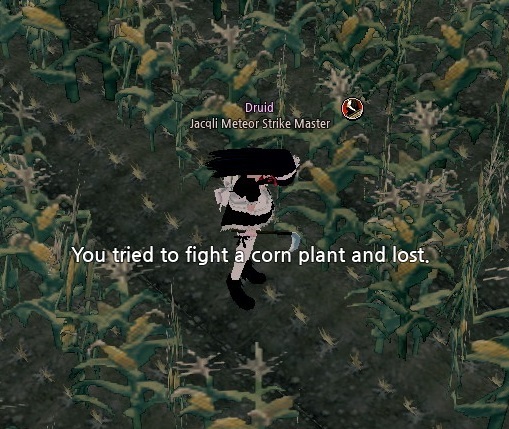
If by epic you mean EPIC FAIL... endgamecornfight2hardplznerf
 5 points
 -
My friend has been has been addicted to Nao. So I decided to make him a bg with a little surprise. Then I have another friend that's obsessed with "Shirtless Rurari" So i made her own bg also Feel free to use them =3=5 points
-
Since this person clearly said that she(?) is not going to be reading any replies to this thread, I suggest just ignoring what she posted. I've put her on a probation period where anything posted needs to be reviewed by me before it's allowed through.5 points
-
.png.c1bf12b1854ed42010055a528f94d1d7.thumb.png.29678ba4191756129a20ae9849f10e00.png)
tanino's Workshop
🎶Viersell and 4 others reacted to 👑Pokemonher01 for a topic
Tanino is a great composer and for someone who hates self flattery you do try to put your own achievements out there. Whether or not you're mad for peoples' laziness to hand write out music take it up with them. You literally got in trouble before on your own thread for doing this. If there's such a problem then take it up with them in PM.5 points -
Biological Engineering at it's finest! .5 points
-
MML adjustments for MusicQ patch Original post by @colimoshirabell (a.k.a. シラベル in JP Mari server) https://twitter.com/colimoshirabell/status/814076037826945025 She says this is mere guidelines, and test listening would be necessary after all. Other instruments not mentioned here requires no adjustment. [Strings] Ukulele: increased velocity, peak suppressed (like fig. B) v5- -> -1 Mandolin: decreased velocity v13- -> +2 v4-v12 -> +1 Lyre: decreased velocity, faster decay v12- -> +3 (but lyre's v15 note is apt to make an attack noise) v8-11 -> +2 v3-7 -> +1 Piano: increased velocity, faster decay v13- -> -3 v8-12 -> -2 v3-7 -> -1 Harp: dropped an octave, faster decay, attack noise fixed raise an octave (oN -> oN+1) now o5d+ and higher notes sounds keener. you may want to reduce their velocity by 1 Violin: increased velocity, capped duration (3 sec or so) v13- -> -3 (comparison of the first 1 sec) v8-12 -> -2 v3-7 -> -1 Cello: increased velocity, capped duration (3 sec or so), pitch bug fixed (o6d+/o6f+) v13- -> -3 (comparison of the first 1 sec) v8-12 -> -2 v3-7 -> -1 Electric Guiter: timing bug of distortion part fixed if you manually fixed the bugged timings, romeve the fix [Wind Instruments] Whistle: decreased velocity v9- -> +2 v3-8 -> +1 Chalumeau: decreased velocity v9 -> +5 v7-8 -> +4 v5-6 -> +3 v3-4 -> +2 v1-2 -> +1 Flute: decreased velocity v9 -> +4 v6-8 -> +3 v3-5 -> +2 v1-2 -> +1 (fyi, o5f+ to o6c are slightly less affected and o6g+ to o6b are slightly more affected) Roncadora: decreased velocity v11- -> +3 v7-10 -> +2 v3-6 -> +1 [Percussion] Bass Drum: peak suppressed, the special sound of 02d+ removed, slightly lower pitch replace the o2d+ sound (if any) with something Snare Drum: increased velocity, peak suppressed v7- -> -1 Cymbals: increased velocity, peak suppressed v9 -> -2 v3-8 -> -1 Hand Chimes: decreased velocity v8- -> +2 v3-7 -> +1 *if the faster decay or capped duration matter, replace single long notes with multiple short notes (ex. c1&c1&c1 -> c1c1c1) or use another instrument. edit. typo
4 points
-

Final Fantasy IX - Song of Memories
sakurano_mori and 3 others reacted to Crazifreak for a topic
Seems like a lot of people on here seem to overlook FFIX. I personally think it's one of the best final fantasy and have some greatly composed songs. If anyone could make this, would be great.Thanks ahead of time4 points -
Yes this is possible. I have a song that has 2 tempo changes, using this "at120&a1t60&a" plays it all like a single note. This song has 9 tracks and tempo changes are a pain. You just have to put the tempo change before the tie.4 points
-
Hi Everyone, Unfortunately we did not finish the 3MLE package in time while the first closed beta test was still running for MapleStory 2 but at least it will now be available going forward. The 3MLE Download page has been updated to include a link for the MabiBeats version, and the MapleBeats Version. All of the instruments that show up on the in-game composer have been added to the instrument drop down list. In the coming weeks we will add the rest of the ensemble halls to MapleBeats (You can have up to 8 people in an Ensemble for MS2). Going forward, all previews generated in the MapleBeats section will now sound how it would sound in the game. We will not be retro-updating the previous previews to match. On another note, Welcome and Thank you to all of the new members who have joined us from the Maple Story 2 side. Our spike in traffic has been tremendous taking us from 900K hits a month to already 2.1 Million hits and this was just during the one week beta. We are looking forward to release and serving the needs of the global MS2 community when the time comes. We hope that 3MLE MapleBeats Edition will be useful to the music community, and we look forward to everyone's contributions to the Music Halls! - Yasuno View full article4 points
-
Too Much Copy Pasting
🎶Telmes and 3 others reacted to 🎶WinterWyvern for a topic
This reminds me of a documentary or something i watched which happened to show doctors saving a persons life and that person did not show an ounce of gratitude. Then said something along the lines of : "Sometimes this is a thankless job, but in the future there will still be lives to be saved and I will be there to make it happen" If you think of it that way, then this problem presented here is of far less importance. In other words just give and expect nothing back. That's the attitude that all composers of this sort (MML writers) should have. Especially since the music you are writing isn't even written by you to begin with. You are really just taking a long time to rewrite/rearrange what is already written .4 points -
I really don't get what the fuss is about. If I hear someone playing a tune I made (and not claiming it as their own creation, not everyone knows or can cite the original creator off the top of their head) I would simply end up with a huge grin on my face knowing that the work and effort I put into composing is not only being recognised but being used by others. Its like a rapper getting all uppity because a radio station is playing their music instead of them... I just don't get it. On the flipside, I would be completely annoyed and irritated if someone did the same thing but then claimed it was their own creation. That gets on my wick in a huge way.4 points
-
Animenz released a 400k sub special video. The song he transcribed was COLORS (Ik its a little over rated.) But his version was just soo rich of imagination! Dynamics, Style, Fingers, Agility, and most of all, the Arpeggios! From beginning to the end of the song, there's soo much feel into it! I was astonished by this transcription, its jaw dropping. #Animenzislife4 points
-
-Peers at Yasuno from behind Kazi- OMG it's Yasuno... O= I haven't seen him post anything but official Mabibeats posts. He's like a ghost. -Teases-4 points
-
WHAT IN GODS NAME HAVE WE DONE
Malakor and 3 others reacted to 🎶Darkfire16 for a topic
I'm scared.4 points -
4 points
-
Oh hey that's me. I'm a firebolt spammer. :V4 points
-

Alexina Concert Topic: Separate Solo/Jam Queues
🎶Darkfire16 and 3 others reacted to 🎶Jainnifer for a topic
Something was brought up during the latest weekly Ch6 concert that I think merits some consideration. While we host these concerts, I feel as though the jam players deserve a separate queue compared to the numerous solo players in comparison. I propose two different lines, with the solo players waiting on the right and the jam players on the left. For every five solo plays, a jam group plays. What are your thoughts? Are you for or against this motion?4 points -

Free Drawings Of Your Character/Characters!
🎶Atoyume and 3 others reacted to Laviexclaus for a topic
I really want to draw more of your eyes they are beautiful 8"D.... wot a cutiepatooie I WAS HOPING SOMEONE WOULD HAVE DIAMOND WINGS SO I COULD DRAW THEM 8DDDDDDD
4 points